
Home › Specialties › Role-specific training
I need our people expert in their role
Role-specific training
Some roles need deep, specific expertise, whether it's a trade, a profession or a specialist field. We work alongside your subject experts to turn what they know into learning that builds real competence, pitched at the right level for each role.
Sound familiar?
When do you need role-specific training?
“Our experts are retiring, and taking what they know with them.”
“Training new people depends on one very busy expert.”
“We need to show people are competent, not just that they attended.”
“The technical content is accurate, but nobody can follow it.”
Our approach
How does role-specific training work?
01
Capture the expertise
Structured sessions with your subject experts, so their time goes on what only they know.
02
Structure it by level
We organise the content from foundation to advanced, so people build on what they already know.
03
Build in practice
Realistic tasks and scenarios let people apply the knowledge, not just read it.
04
Check competence
Assessment that shows people can do the job, in a way your organisation can rely on.
Recent work
Role-specific projects we've delivered
Dairy apprenticeship
Attracting rural youth to a career in dairy manufacturing through a new Dairy Apprentice programme.
Read the case study →
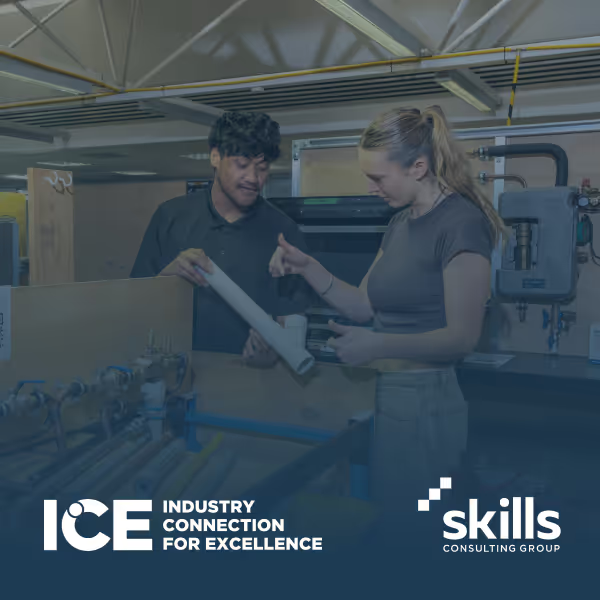
PGD apprentice programme
Increasing engagement, application and retention for plumbing, gasfitting and drainlaying apprentices.
Read the case study →

Baggage handlers
Reducing the time to operational competency for baggage handlers through blended learning.
Read the case study →
In their words
“In my opinion they are professional, efficient, thoughtful and innovative. They have helped me deliver my project outcomes of a highly engaging learning pathway.”
Dairy Apprenticeship Manager, Fonterra
FAQs
Questions we get asked about role-specific training
How much time will our subject experts need to give?
Less than you'd think. We use structured briefings and content templates so experts can share what they know quickly, and we do the heavy lifting from there.
What's the difference between this and systems training?
Role-specific training builds expertise in the work itself. Systems training helps people use the software and tools that support that work.
How do you show people are competent, not just that they attended?
We build in realistic tasks and scenarios so people apply what they know, then assess in a way that shows they can do the job and that your organisation can rely on.
What kinds of roles is role-specific training for?
Roles that need deep, specific expertise, such as a trade, a profession or a specialist field. Recent work includes a dairy apprenticeship for Fonterra, a plumbing, gasfitting and drainlaying apprentice programme for Skills Consulting Group, and baggage handler training for Air New Zealand.
Testimonials
What our clients say
The initiative is highly cost-effective and provides an efficient and flexible learning environment for students. There are ongoing returns from higher margins from such a low-touch offering, with automated online delivery, assessment and certification.
It was great working with you and I have recommended you to others here.
They provide an end to end solution, and are real (experts) in what they do. We feel like we've found a partner who will help us and our people on our customer development journey.

I have had the pleasure of working with the Optimism team over the last 14 months. In my opinion they are professional, efficient, thoughtful and innovative. They have helped me deliver my project outcomes of a highly engaging learning pathway and if I had the opportunity I would jump at the chance to work with them again.
NZSTA has been working with Optimism for over two years now and we have always found our dealings with them to be professional and effective. They truly care about our business and continue to look for innovative solutions for our needs. They are approachable and supportive and great at keeping us on track. I would thoroughly recommend them to any progressive organisation.

We partnered with Optimism to transform our internal knowledge and expertise in to learning that is accessible to all existing and new people to our organisation. We wanted to create learning solutions that aligned to our business goals and objectives. With Optimism we are making a difference.
It was really great working with Optimism. They took the time to understand our learning objectives and align the online activities with the needs of our learners. There was variety in the designs and consideration of the practical nature of our apprenticeship programme. Progress was sound and we were kept up to date all the way through.

Optimism worked with us on a range of digital learning solutions to help health and social service workers engage with Pasifika people. We were thrilled with the results. The learning experiences Optimism created were engaging, relevant and culturally appropriate. We highly recommend working with the Optimism team.
We partnered with Optimism to transform our internal product knowledge in to e-learning that is accessible for our global sales teams. From the initial consultation through to development and delivery they demonstrated patience and true business partnering in their flexible approach to our business and strategy.

The team at Optimism were always professional - they did what they said they would do and asked excellent questions to understand our needs. The mix of digital and traditional modalities was a perfect fit for our people and we've had great feedback from participants. We have also cut down training time and improved on the rate to competency time frame. We're thrilled with the result!

Optimism have been highly responsive to our needs, consistently adapting to feedback, and ensuring that the final modules aligned with our expectations. We greatly appreciate your professionalism, flexibility, and commitment to delivering high-quality outcomes. I would not hesitate to recommend your services to any organization looking for tailored, impactful learning solutions.